Most affiliate marketers do not fail because they lack effort. They fail because they move without a plan.
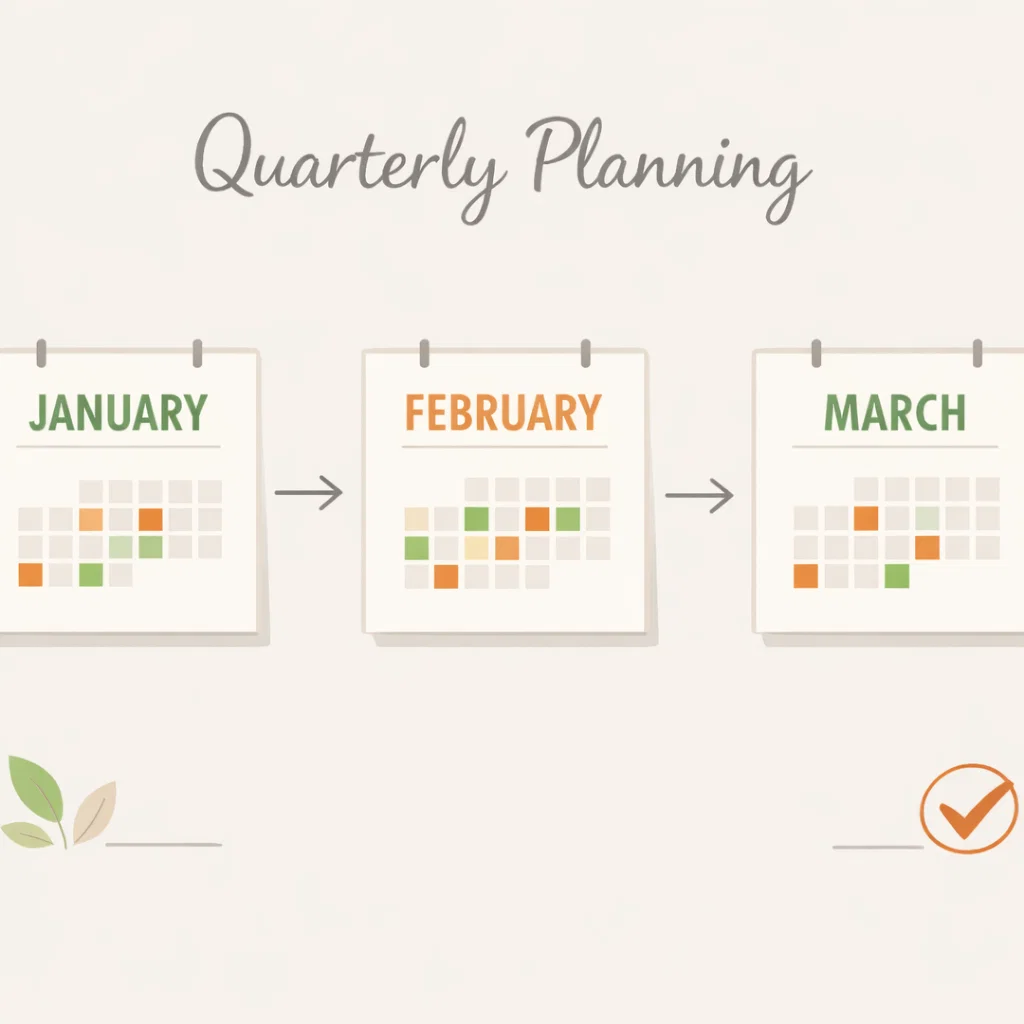
Quarter one is where momentum is either built or lost. January sets direction. February tests consistency. March reveals whether the foundation was solid or rushed. Planning ahead removes pressure and replaces guesswork with calm, confident action.
This article walks you through a simple affiliate planning template for quarter one of 2026. No hype. No unrealistic goals. Just a clear way to map your content, traffic, and offers so you start the year focused instead of overwhelmed.
Why Quarter One Planning Matters More Than You Think
Quarter one is unique. People are motivated, searching for solutions, and actively rethinking habits, finances, and routines. That makes it one of the strongest periods for affiliate content.
But this same opportunity creates noise. Many creators rush to publish without direction, chasing trends instead of building structure. Planning gives you an edge because it allows your content to work together instead of competing with itself.
When you plan quarter one in advance, you gain clarity on what to publish, what to promote, and what to ignore.
Step One: Define One Core Outcome for the Quarter
Before choosing topics or tools, define one primary outcome for the first three months of 2026.
Ask yourself what success looks like by the end of March.
Examples include growing an email list to a specific size, ranking one pillar post, or building a small content system that runs consistently.
Pick one outcome. Not three. Not five. One clear direction creates focus and prevents burnout.
Everything you plan should support this outcome.
Step Two: Choose One Primary Traffic Source
Quarter one works best when you simplify traffic.
Instead of trying to master every platform, choose one primary source and one secondary source.
Your primary source might be blog content, YouTube, Pinterest, or Medium. Your secondary source supports it through repurposing.
This keeps your effort concentrated and makes results easier to measure.
If blogging is your primary source, your planning revolves around publishing, updating, and internally linking posts. If YouTube is primary, content themes and posting cadence become your focus.
Step Three: Map Content Themes by Month
Rather than planning individual posts randomly, assign each month a theme.
January is ideal for foundational content. Think beginner guides, setup tutorials, and planning resources.
February works well for optimization. This includes improving results, tools, systems, and workflows.
March is where comparison, decision making, and deeper trust content performs well.
Themes give your content cohesion and make internal linking natural instead of forced.
Step Four: Identify Your Supporting Content Types
Each main piece of content should have support around it.
For example, a pillar blog post can be supported by email tips, short social posts, or a simple checklist.
Supporting content extends the life of your main work and helps readers move through your ecosystem.
This approach reduces the pressure to constantly create something new.
Step Five: Plan Your Affiliate Offers Intentionally
Quarter one is not the time to promote everything.
Choose one to three affiliate offers that align with your content themes and audience needs.
Make sure you understand what problem each offer solves and where it fits naturally in your content.
Planning this ahead prevents random links and builds trust with your readers.
Step Six: Schedule Review and Adjustment Points
Your plan should include space to review progress.
Set one day at the end of each month to assess what worked and what did not.
Look at traffic trends, engagement, and clicks rather than obsessing over income alone.
Adjust calmly. Quarter one success comes from consistency plus small refinements, not drastic pivots.
Step Seven: Keep the Plan Visible and Simple
Your affiliate planning template should live somewhere easy to access.
This could be a document, a printable sheet, or a simple dashboard.
The goal is visibility. When your plan is visible, your daily actions stay aligned.
If it is hidden, it is forgotten.
A Sample Quarter One Planning Structure
Your template might include sections for goals, traffic focus, monthly themes, content ideas, affiliate offers, and review notes.
You do not need complex software. Clarity beats complexity every time.
The best plan is the one you actually follow.
Why This Approach Builds Long Term Results
Affiliate marketing rewards patience and structure.
Quarter one planning is not about chasing immediate wins. It is about building momentum that compounds across the year.
When your content, traffic, and offers align, results feel steadier and less stressful.
You move from reacting to leading.
Final Thoughts on Planning Ahead
Planning quarter one of 2026 now gives you an advantage most marketers ignore.
While others scramble in January, you execute calmly.
While others chase trends, you build systems.
While others burn out, you build momentum.
Visit our Google Site here and see what free tools you can pickup (No Opt-in)
Click here to get your own Q1 planner in PDF format for easy printing. (No Opt-in)