If you have ever wondered why some websites with fewer backlinks still outrank bigger, more established sites, the answer often comes down to two things that most beginners overlook. Entities and topical authority. Once you understand how Google sees the world, ranking on page one becomes far less mysterious and much more strategic.
Search engines are no longer just matching keywords to content. They are mapping people, things, places, brands, actions, and concepts. They interpret meaning, context, relationships, and intent. That is the world of entities. And when you consistently create content that covers a topic deeply and clearly, you start building what Google recognizes as topical authority.
In simple terms, you are no longer trying to “beat the algorithm”. You are feeding it exactly what it is built to understand.
Let’s break this down in a way that any beginner can start using today.
What Are SEO Entities and Why Do They Matter
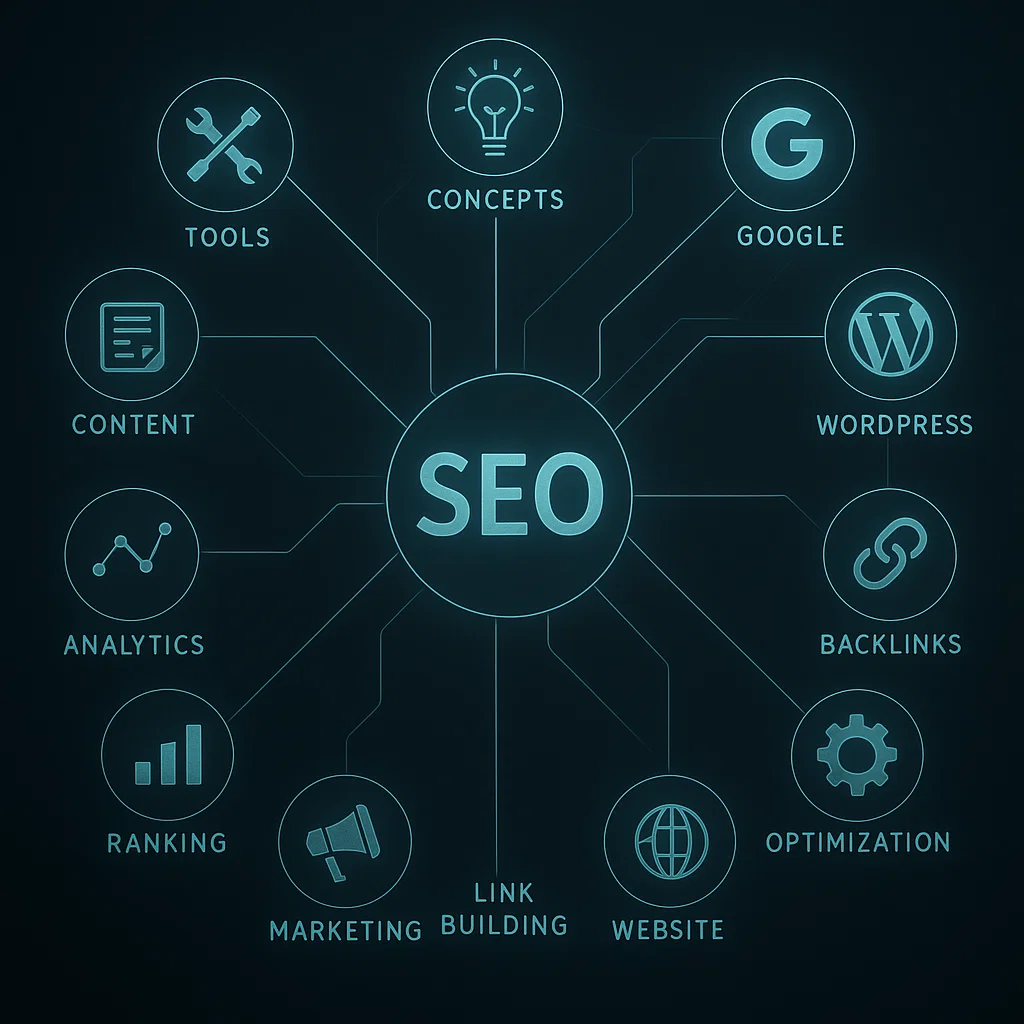
An entity is a specific thing that exists independently of language. Google defines entities as real world objects or ideas that have a clear identity. It can be a person, a tool, a product, a concept, or even a process.
Here are a few examples of entities:
• “email marketing”
• “WordPress”
• “affiliate marketing”
• “SEO”
• “Mailchimp”
• “hydration”
• “stress management”
Entities give search engines clarity. Keywords can be vague, but entities remove confusion. For example, someone searching for “apple benefits” might get mixed results if Google only relied on keywords. But with entity recognition, Google understands the difference between Apple the company and apples the fruit.
That ability to interpret meaning is why entities have become a major factor in modern SEO.
When your content clearly identifies and connects entities in a sensible way, Google can trust your page and rank it more confidently.
Where Entities Show Up in Your Content
Most beginners do not know that Google pulls entity information from several places within a page:
• Titles
• Headings
• Subheadings
• Internal links
• External links
• Image alt text
• Captions
• Structured data
• Paragraph context
• Lists and tables
When you use entities naturally and in the right places, Google understands your content much faster.
For example, if you write an article about “email marketing for beginners” and you mention Mailchimp, automation workflows, open rates, tags, segmentation, and list building, Google sees a cluster of related entities. That tells the algorithm this page is truly about email marketing, not just a page stuffed with keywords.
What Topical Authority Really Means
Topical authority is your ability to show Google that you understand a subject deeply and broadly. It is not about writing one great article. It is about creating a network of articles that all support each other.
Think of it like this. If you write:
• What is email marketing
• How to build your first email list
• How to write subject lines
• How to segment your audience
• Best email tools for beginners
• How to automate your first sequence
Google sees a full picture of expertise. This is how you become a trusted source. Even if your competitors have more backlinks, your structure and depth can still outrank them.
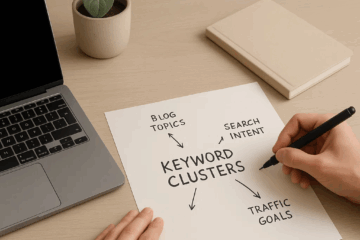
Topical authority is built through consistency. Each article is a brick. Internal links are the cement. Clusters are the walls. The pillar page is the foundation that holds everything together.
How to Build a Simple Topical Cluster as a Beginner
You do not need a huge blog to start building topical authority. You only need one main topic and several supporting articles.
Follow this beginner friendly structure:
- Pick a core topic
Example: affiliate marketing tools. - Create one in depth pillar post
Example: The Complete Guide to Affiliate Marketing Tools for Beginners. - Write 6 to 12 supporting articles
Examples:
• Best free affiliate tools
• Paid tools worth investing in
• How to compare tracking tools
• How to pick the right email platform
• Tools for building landing pages
• Tools for writing product reviews - Add internal links from every supporting post to your pillar post.
- Add internal links between supporting posts when relevant.
- Keep adding new articles that strengthen the cluster.
This approach sends a strong signal to Google. You are not casually writing about a topic. You are covering it from every angle.
How Google Uses Entities to Measure Trust
Google relies heavily on entities to understand expertise. When your content covers the right entities with consistency, your authority improves.
Here is how Google interprets entity signals:
• If your article mentions multiple related entities, Google sees topical depth.
• If your other articles mention similar entities, Google sees topical consistency.
• If you internal link between relevant entities, Google sees structure and intent.
• If users stay on your site longer, Google sees reader satisfaction.
This combination strengthens both expertise and authority.
The goal is not to force entities into your content. The goal is to write helpful posts that naturally include important concepts, tools, ideas, and terms that define your topic.
Practical Ways Beginners Can Add Entities Into Content
You do not need to be a technical SEO to use entities correctly. Just keep these simple habits in mind:
1. Use real names of tools, brands, and concepts
Instead of saying “an email tool”, say “ConvertKit” or “AWeber”.
2. Use related terms naturally
If you write about hydration, include entities like electrolytes, mineral balance, water intake, and dehydration.
3. Add internal links with context
Google uses the anchor text to understand entity relationships.
4. Add image alt text that reflects the topic
This is an easy place to reinforce clarity for both readers and search engines.
5. Cover the topic fully, not partially
Depth is what differentiates thin content from authoritative content.
A Beginner Friendly Example of Entity Based Writing
Let’s say you are writing an article about “email newsletters”.
Here is a low quality sentence:
“It is important to write good emails for your audience.”
Here is an entity rich version:
“Writing an effective email newsletter begins with understanding your audience, choosing the right tool such as ConvertKit, and using proven techniques like segmentation, compelling subject lines, and simple automation workflows.”
The second sentence gives Google much more to work with. And it helps the reader too.
Why Topical Authority Is the Long Game That Pays Off
Topical authority compounds. Every article you publish strengthens your past articles. Every internal link increases clarity. Every entity improves understanding.
While other marketers chase one viral post or a quick win, authority builders grow consistently. They earn traffic that does not disappear. They rank for keywords they never even targeted. They attract readers who trust them before the first link is clicked.
That is why topical authority matters. It is the most reliable SEO strategy for beginners and experts alike.
Visit our Google Site here and see what is possible (No Opt in).