If you have an email list, this question comes up quickly.
How often should you send emails?
Send too many, and people might unsubscribe.
Send too few, and they forget who you are.
It feels like a balancing act.
And because of that, many people end up doing nothing.
They overthink it. They wait. They hesitate.
Days turn into weeks, and their list stays quiet.
The truth is, email frequency is not about finding a perfect number.
It is about consistency, expectation, and value.
The Fear of Sending Too Many Emails
Most beginners worry about being annoying.
They imagine people getting frustrated and hitting unsubscribe the moment another email arrives.
So they hold back.
They send one email… then disappear for two weeks.
Then maybe send another.
This creates a bigger problem than sending too often.
People forget you.
When your name shows up again, it feels unfamiliar.
That is when unsubscribes happen.
Not because you emailed too much, but because you disappeared.
The Bigger Risk Is Being Forgotten
Email works best when there is familiarity.
People recognize your name.
They understand what you share.
They expect to hear from you.
That familiarity only happens through consistency.
If you only email occasionally, you are constantly reintroducing yourself.
And that makes every email harder.
Consistency Builds Trust
When your emails arrive regularly, something changes.
People begin to expect them.
Even if they do not open every message, they see your name often enough to remember you.
This builds a subtle form of trust.
You become part of their routine.
That is powerful.
Because when they are ready to take action, you are already familiar.
There is no single correct answer.
But there is a practical starting point.
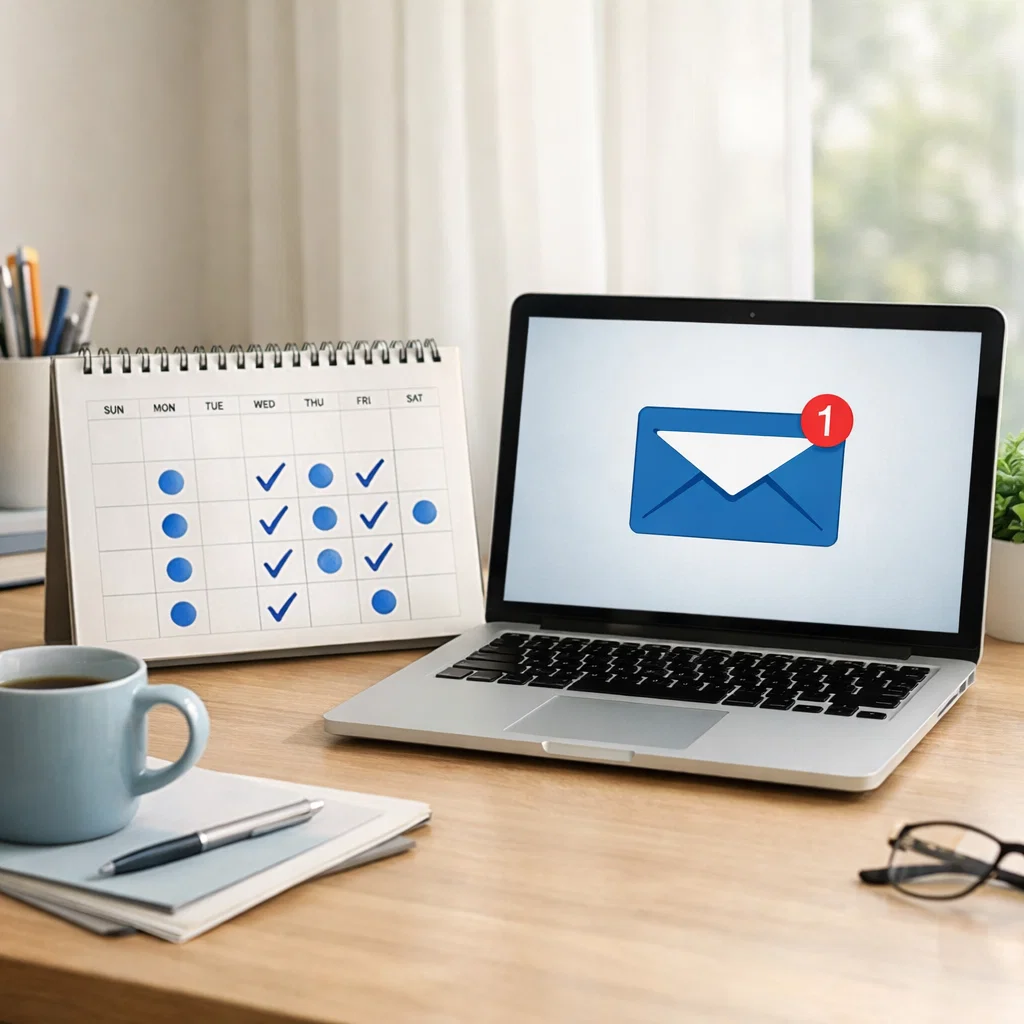
For most beginners, 2 to 3 emails per week works well.
It is frequent enough to stay visible.
It is manageable enough to stay consistent.
If that feels like too much, start with once a week.
The key is not the number.
It is sticking to it.
Quality Still Matters
Sending more emails does not help if the content is weak.
Every email should feel like it has a purpose.
It can teach something.
Share an insight.
Offer a useful resource.
It does not need to be long or complex.
But it should feel intentional.
When your emails consistently provide value, people are more likely to stay subscribed.
Mix Content With Subtle Promotion
Not every email needs to sell something.
In fact, most should not.
If every message is a pitch, people tune out.
A better approach is balance.
Some emails educate.
Some share experiences.
Some introduce a helpful product.
When promotion feels natural and connected to the content, it works much better.
Pay Attention to Your Audience
Your audience will give you signals.
If people are opening your emails, clicking links, and staying subscribed, you are on the right track.
If you see a spike in unsubscribes or declining engagement, it may be time to adjust.
Email frequency is not fixed.
It evolves as you learn what your audience responds to.
It Is Easier Than You Think
One of the biggest obstacles is not knowing what to send.
So people avoid sending anything.
But you do not need complicated ideas.
You can turn your existing content into emails.
Summarize a blog post.
Share a lesson you learned.
Answer a common question.
Simple works.
Consistency matters more than creativity.
Build a Rhythm You Can Maintain
The best email schedule is one you can stick to.
If you try to send daily emails but cannot keep up, you will burn out.
If you send too rarely, you lose momentum.
Find a rhythm that feels sustainable.
Then commit to it.
That is how email marketing becomes easier over time.
The Long Term Effect
Email is not about one message.
It is about a series of messages over time.
Each email adds another touchpoint.
Another reminder.
Another opportunity to help.
Over time, these small interactions build relationships.
And those relationships lead to results.
A Simple Way to Approach It
If you are unsure where to start, keep it simple.
Pick a schedule.
Stick to it for a few weeks.
Focus on being helpful.
Then adjust if needed.
That is enough.
The Bigger Picture
Email frequency is not about avoiding mistakes.
It is about building connection.
When people hear from you consistently, they begin to trust you.
When they trust you, they pay attention.
And when they pay attention, your recommendations carry more weight.
Final Thought
You do not need to be perfect.
You need to show up.
Regularly. Consistently. Helpfully.
That is what makes email marketing work.
Get the 7-day Affiliate Jumpstart plan here: